
ADHD: The Real-World Rollercoaster Behind the Entrepreneur’s Mind
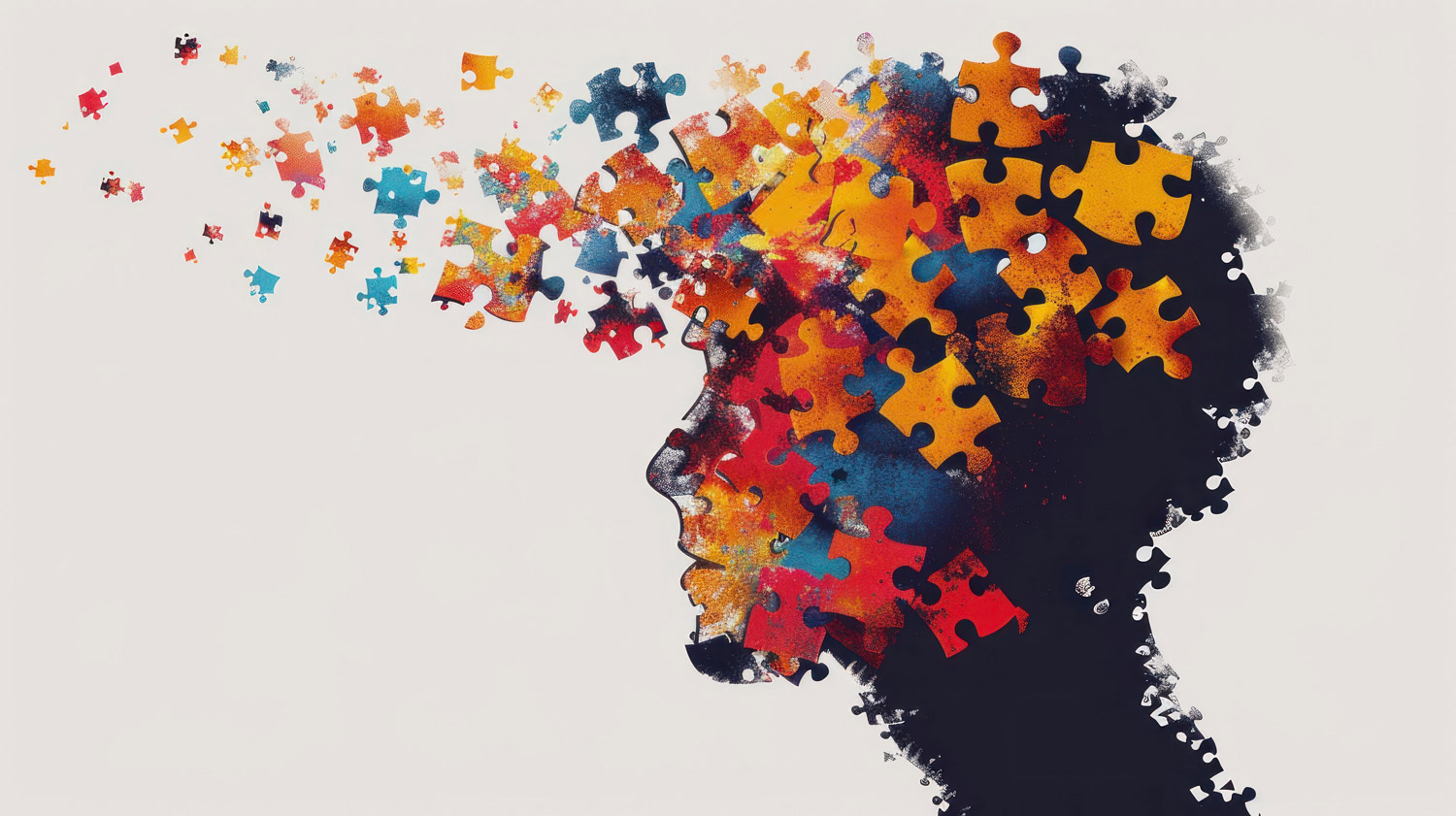
I’ve lived with ADHD my whole life. And let me tell you, it’s not a buzzword or an excuse — it’s a daily battle between chaos and clarity. Most people think ADHD means distraction, but that’s not it. It’s intensity. It’s emotion. It’s the ability to hyper-focus on something you love so deeply that hours feel like minutes, and the rest of the world disappears.
But it’s also guilt. It’s exhaustion. It’s waking up every day trying to control a race car brain with bicycle brakes.
And if you’re an entrepreneur with ADHD, you already know — it can be both your greatest gift and your biggest burden.
Hyper-focus: The Hidden Superpower
When people hear ADHD, they think of distraction. But the truth is, the ADHD brain isn’t unfocused — it’s focused on what it *cares* about. That’s called hyper-focus, and it’s the reason so many entrepreneurs with ADHD become wildly successful.
Take Richard Branson, founder of Virgin. He’s talked openly about having ADHD and dyslexia. He says it forced him to think differently — to focus on vision, energy, and people instead of details. Or Ingvar Kamprad, who built IKEA from a tiny Swedish startup into a global empire — he had ADHD and used his creativity to reinvent retail.
Hyper-focus lets you dive so deep into something that it feels effortless. You can work 16 hours straight without realizing it. You can build, design, sell, and lead with a level of intensity that other people can’t understand.
But when that switch flips off, everything changes. The same brain that was a laser beam on Monday can barely reply to an email by Wednesday.
The Emotional Toll
ADHD doesn’t just affect focus — it affects emotion. Our dopamine levels rise and fall faster, which means our highs are higher and our lows hit harder.
I’ve felt that. One day, I’m on top of the world — closing deals, inspiring my team, making things happen. The next day, I’m drained, overwhelmed, frustrated that I can’t do something simple like sit down and finish a spreadsheet.
Rejection sensitivity is real. Criticism feels like pain. You can have ten compliments and one negative comment, and your brain only remembers the one that hurts.
That’s the dark side of ADHD most people never see. It’s emotional whiplash. It’s feeling like you’re never enough, even when you’re giving everything you’ve got.
Turning Emotion Into Fuel
But here’s what I’ve learned — emotion isn’t the enemy. It’s the engine.
The same sensitivity that makes rejection painful also makes empathy powerful. It’s why so many leaders with ADHD connect deeply with their people. We feel things fully — and when we learn to channel that emotion into creativity, service, or storytelling, it becomes a force multiplier.
The best entrepreneurs I know with ADHD don’t try to suppress it. They build systems around it. They use structure to protect their energy, not limit it.
Timers, accountability partners, and visual systems aren’t about control — they’re about freeing up mental space to do what we’re best at: building, creating, leading, and dreaming big.
The Data Behind the Difference
Studies show that about 30% of entrepreneurs report having ADHD traits — nearly triple the general population. A study from the University of Michigan found that people with ADHD are more likely to start their own business because they crave autonomy, challenge, and novelty.
We’re risk-takers by nature. We’re problem-solvers. Our brains light up when there’s a fire to put out, a crisis to fix, or a vision to chase. We get bored fast, but when we’re motivated, we’re unstoppable.
Real Success, Real Struggle
I’ve watched countless business owners with ADHD create incredible things — but behind every success story is struggle. The forgotten meetings, the sleepless nights, the financial chaos that comes from loving the big picture but missing the fine print.
That’s why success for us isn’t about perfection — it’s about awareness. Knowing what we’re great at, and where we need help. Hiring the detail people. Partnering with structure. Surrounding ourselves with people who bring calm to our chaos.
Because when we stop fighting our wiring and start embracing it — that’s when everything changes.
Final Thought: You’re Not Broken
If you’re reading this and you’ve spent your life feeling like you’re too distracted, too emotional, or too inconsistent — hear me clearly: you’re not broken.
You have a brain built for creativity, courage, and connection. You feel deeply because you care deeply. You move fast because your mind is always ten steps ahead.
The challenge isn’t to tame your ADHD — it’s to learn its rhythm. Build systems. Find your tribe. Protect your energy. And use your emotion as your compass, not your weakness.
Because when an ADHD entrepreneur learns to channel both their fire and their focus — they don’t just build businesses. They build movements.